

Introduction: Flight Cancellations 2026 Explained
In 2026, flight cancellations 2026 have emerged as a major concern for travelers around the globe. Airlines across Europe, the Middle East, and Asia are canceling hundreds, and in some cases thousands, of flights due to soaring jet fuel prices, ongoing geopolitical conflicts, and operational disruptions caused by complex airline networks. The impact of these cancellations is far-reaching, creating a ripple effect on passengers, travel agencies, and the aviation industry at large.
One of the most prominent examples is Scandinavian Airlines (SAS), which announced the cancellation of approximately 1,000 flights in April 2026 due to these unprecedented operational challenges. This announcement has affected thousands of travelers, reshaping travel planning, flight bookings, and scheduling logistics worldwide. Travelers are now actively seeking information on flight cancellations 2026, including affected routes, rebooking options, and refund policies.
The term flight cancellations 2026 has rapidly become a trending search query on Google, reflecting growing public concern. Travelers, corporate agencies, and aviation analysts are all closely monitoring updates to understand how these disruptions might affect upcoming travel plans.
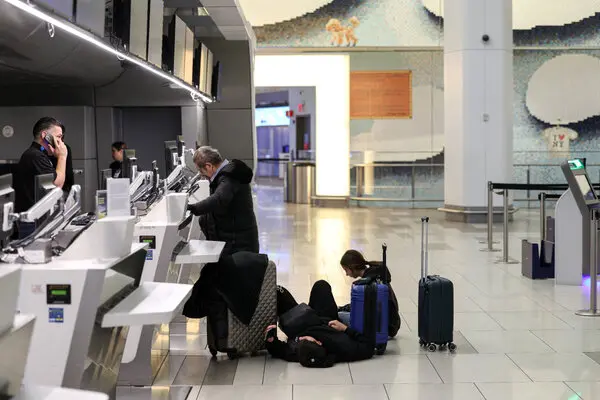
Why Are Flight Cancellations 2026 Happening?
1. Surging Jet Fuel Prices
A leading cause of flight cancellations 2026 is the unprecedented rise in jet fuel costs. Conflicts in the Middle East have triggered a surge in crude oil prices, which in turn has increased jet fuel prices to record levels. Fuel constitutes roughly 30% of an airline’s operating costs, making any sudden price increase a significant burden on airline finances.
Even flights that were previously profitable may become uneconomical when fuel prices spike. Airlines are responding by canceling or postponing flights on routes with tight profit margins. Analysts note that this situation has created a cascading effect, where flight cancellations in one region lead to delays and rescheduling across entire airline networks, amplifying the global impact of flight cancellations 2026.
By strategically reducing capacity on specific routes, airlines hope to stabilize operations, but travelers are inevitably affected, facing higher fares and fewer options. The rising jet fuel cost crisis highlights the vulnerability of the airline industry to external economic pressures and global events.
2. Geopolitical Conflicts and Restricted Airspace
Another significant contributor to flight cancellations 2026 is geopolitical instability, particularly in the Middle East. Airlines are often forced to avoid conflict zones for safety reasons, which requires rerouting flights over longer distances. These detours increase fuel consumption, flight duration, and crew working hours, sometimes making previously scheduled flights operationally impossible.
Key regions such as Dubai, Doha, and Tehran have been impacted by restricted airspace, forcing airlines to adjust schedules continuously. The rerouting of flights often causes international flight delays, affects connecting flights, and sometimes leads to further cancellations. Travelers now need to anticipate longer travel times and be prepared for unexpected disruptions.
Airline safety protocols prioritize passenger security, which is why rerouted flights are necessary despite the inconvenience caused to travelers. These operational decisions directly contribute to the surge in flight cancellations 2026 worldwide.
3. Operational Network Disruptions
Airlines operate on tightly coordinated schedules. Even a minor disruption in one region can cause a domino effect, impacting multiple flights across different hubs. Aircraft availability, crew assignments, and maintenance schedules are all interconnected. When flights are canceled or delayed in one area, it often creates further complications elsewhere, leading to more cancellations.
This phenomenon explains why flight cancellations 2026 often extend beyond areas directly affected by fuel price hikes or geopolitical tensions. Even flights in relatively stable regions can be impacted due to network-wide operational disruptions.
Airlines are actively working to manage these challenges by reallocating aircraft and crew, but the complexity of global aviation operations makes it difficult to completely prevent flight cancellations 2026.
Major Airlines Affected by Flight Cancellations 2026
Several airlines have been prominently affected by these disruptions:
- Scandinavian Airlines (SAS): Canceling approximately 1,000 flights in April 2026 due to rising fuel costs and operational constraints. (Official source — SAS travel alerts)
- Air New Zealand: Adjusting schedules on long-haul flights as fuel prices and route restrictions rise.
- European Carriers: Airlines such as KLM, Air France, and British Airways have suspended or rerouted flights due to operational pressures and restricted airspace.
Even passengers on flights that do not directly pass through conflict zones can be affected. Network-wide adjustments and aircraft rerouting often lead to delays or cancellations across multiple routes. This widespread impact explains why flight cancellations 2026 have become a topic of concern for travelers globally.
Impacts of Flight Cancellations 2026 on Travelers
1. Rising Airfares
As flight availability decreases, ticket prices inevitably rise. Airlines compensate for higher operational costs by implementing surcharges, particularly on long-haul flights impacted by detours or rerouting. This has forced travelers to plan ahead, compare fares, and sometimes adjust travel dates to avoid steep price increases.
2. Limited Flight Options and Connectivity
Many major international routes now offer fewer flights per week. Travelers relying on hubs such as Dubai, Stockholm, or Doha may face longer layovers, less direct connectivity, and fewer alternatives in case of disruption. Limited flight options amplify travel uncertainty, forcing travelers to adapt their plans and potentially extend trip durations.
3. Travel Stress and Uncertainty
The unpredictability of flight cancellations 2026 has increased traveler anxiety significantly. Airlines recommend closely monitoring flight updates, subscribing to alerts, and remaining flexible with travel plans. Using official sources like SAS travel alerts ensures access to accurate, real-time information and helps travelers make informed decisions.
Industry and Government Responses
Airlines and aviation authorities are actively taking steps to mitigate the impact of flight cancellations 2026:
- Flexible rebooking and refunds: Airlines are offering customers alternative flights or refunds for canceled services.
- Operational adjustments: Aircraft, crew, and maintenance schedules are being optimized to reduce disruption.
- Government advisories: Aviation authorities provide safety guidance, travel alerts, and recommendations to help travelers navigate disruptions.
These measures aim to protect passenger safety while minimizing inconvenience. Travelers are strongly encouraged to rely on official airline sources for verified updates.
Traveler Tips Amid Flight Cancellations 2026
- Monitor Flight Status Regularly: Stay updated through airline notifications and travel alerts.
- Use Flexible Booking Options: Choose tickets that allow refunds or rebooking without penalties.
- Plan Contingency Routes: Prepare alternative flights and travel dates in case of cancellations.
- Check Official Sources: Rely on verified platforms like SAS travel alerts — this is official source.
By following these strategies, travelers can minimize stress and disruptions caused by widespread flight cancellations 2026.
Frequently Asked Questions (FAQs)
Q1: What is causing the flight cancellations in 2026?
A1: Rising jet fuel prices, geopolitical conflicts in key regions, and operational challenges across airline networks are the main causes.
Q2: How many flights is SAS canceling in April 2026?
A2: SAS has announced approximately 1,000 cancellations for April 2026.
Q3: Are all airlines affected by these cancellations?
A3: While SAS, Air New Zealand, and European carriers are most affected, network disruptions can impact multiple airlines globally.
Q4: Where can I find official flight status updates?
A4: The official SAS travel alerts page is the most reliable source: SAS Travel Alerts — this is official source.
Q5: How can travelers minimize disruptions?
A5: Stay flexible, monitor updates frequently, choose rebookable tickets, and prepare alternative travel routes.
Conclusion: Preparing for Flight Cancellations 2026
Flight cancellations 2026 represent one of the most disruptive periods in recent global aviation history. The combination of rising fuel costs, geopolitical instability, and operational challenges has forced airlines to cancel thousands of flights, affecting millions of passengers.
Travelers can minimize disruption by staying informed, using flexible travel options, and relying on verified sources such as SAS travel alerts — this is official source. Preparedness, awareness, and adaptability are key to navigating travel safely during these uncertain times.
By following official updates and planning ahead, travelers can reduce the stress and impact of flight cancellations 2026 while ensuring smoother journeys despite global disruptions.
For more updates on visas, immigration, and travel, click here.